The formation of the *Pākehā Council* in Auckland is a response to CULTURE WARS and COUNCIL FAILURES. The essence of the movement directly reflects the view that the existing political frameworks leaves NZ European without a distinct unified collective voice or specific native ethnic identity of differentiation. This predicament has a cause and effect motion that has rendered Pakeha in a state of crisis in terms of well-being, resources and opportunity which we intend to explore & report on. The strategy behind creating an independent council, and the constitutional debate it aims to force, stems from a specific set of operational goals and political challenges:
The Strategy of the Pākehā Council: The movement's core objective is to shift from passive voting to active, structured organization, mimicking the collective advocacy models used by other groups in New Zealand which serve the bespoke needs of their own ethnic group.
Suburban Representation: The group has actively called for founding board candidates to establish representatives across Auckland suburbs, focusing on descendants of early pioneer settlers thus building a drafting a BLUEPRINT with a concept easily implemented across the Nation working in synergy.
Alternative Local Governance: The initiative is designed to create a parallel 'Council of voices for Eurokiwis' to directly challenge what organizers describe as state councils overspending, backdoor agreements and prioritizing Māori consultation over general residents.
Cultural Preservation: The platform explicitly focuses on defending, preserving & celebrating colonial culture, promoting their specific perspective of the Treaty of Waitangi, protecting private property ownership, and organizing heritage festivals; with a substantial development of a YOUTH ACADEMY.
The Argument for a Distinct 'Us': The foundational premise of the movement is that while Māori have iwi authorities and specific parliamentary seats, and newer immigrant groups have dedicated ethnic boards and ministries, Pākehā are treated as an unstructured 'default' category rather than a distinct cultural group with unique constitutional stakes & historical claims of Crown injustices. By launching an explicit 'Pākehā Council', the movement aims to force regional councils and the central government to negotiate with them as a distinct, unified bloc of significant contributors to stability & balance.
The Core Political Friction Points: This approach highlights the deep polarization in how New Zealanders believe the country should be governed, splitting the public into three distinct camps: The Collective Equality Perspective (our Movement): Argues that if the state operates on a model of distinct, race-based or ancestral consultation, then Euro-Kiwis must organize their own collective council to ensure their heritage and interests are relative to Maori and not bargained away without a direct voice.
The Universal Citizenship Perspective: Believes the solution to feeling unheard is not creating more separate ethnic councils, but completely dismantling all race-based representation (such as Māori wards or targeted ministries) in favor of a single, neutral democratic system where everyone is treated strictly as an individual citizen.
The Treaty Partnership Perspective: Maintains that the constitutional setup is inherently a bilateral contract between the Crown (representing all civic citizens) and Tangata Whenua (indigenous iwi). From the Maori viewpoint, creating a separate ethnic assembly for Pākehā misinterprets the Treaty as an agreement between ethnic groups rather than a foundational contract between governing authorities. [This erroneous and conflicted perspective is NOT supported by the Pakeha Movemen].
By taking the step to formalise a 'Pākehā Council', our movement is attempting to test whether the modern state apparatus can be forced to recognize and bargain with a distinct European-New Zealander political entity. See less
PAKEHA COUNCIL
Distinct Identity * Native Race * Sacred Voice
How does the Pakeha Council work for me?
There are 3 main purposes of the Council:
Providing a socio-political voice
This includes research and reporting, speaking on your behalf, collecting data, representing you in a collective or personal capacity, bringing live news through media that matters to us, defending our cultural values & assets, speaking at Local Council Board meetings, facilitating educational workshops, challenging the State on their narratives in terms of History & the Treaty, taking on legal cases, applying for our share of funding and much more!
Fostering Unity & Kinship amongst our people:
This includes founding the movement and exploring the Pakeha identity historically and now - making the name great again, forming local groups you can join, creating a website for connections, operating community halls for our cultural purposes such as faith & family traditions, social dances, well-being support, heritage & history, performing arts shows, designing a kids cultural costume, charter school options, music and art, setting up a helpline, political meetings and a youth academy which will be an asset to our children and strengthen them for life.
Preserving our heritage:
Saving and holding fast to what we have left in terms of historical building assets, keeping more of an eye on artifacts and historical treasures for example the Centennial Exhibition removed from the Auckland Museum, where did it go and can we get it all back? Preserving historical sites, graves , plaques and monuments, educating with facts and figures, challenging IWI claims on surplus land and buildings, maintaining remembrance literature and stories of the past, building faith networks, making political submissions, providing advocacy and getting involved in regional events, showcasing and celebrating our colonial culture.
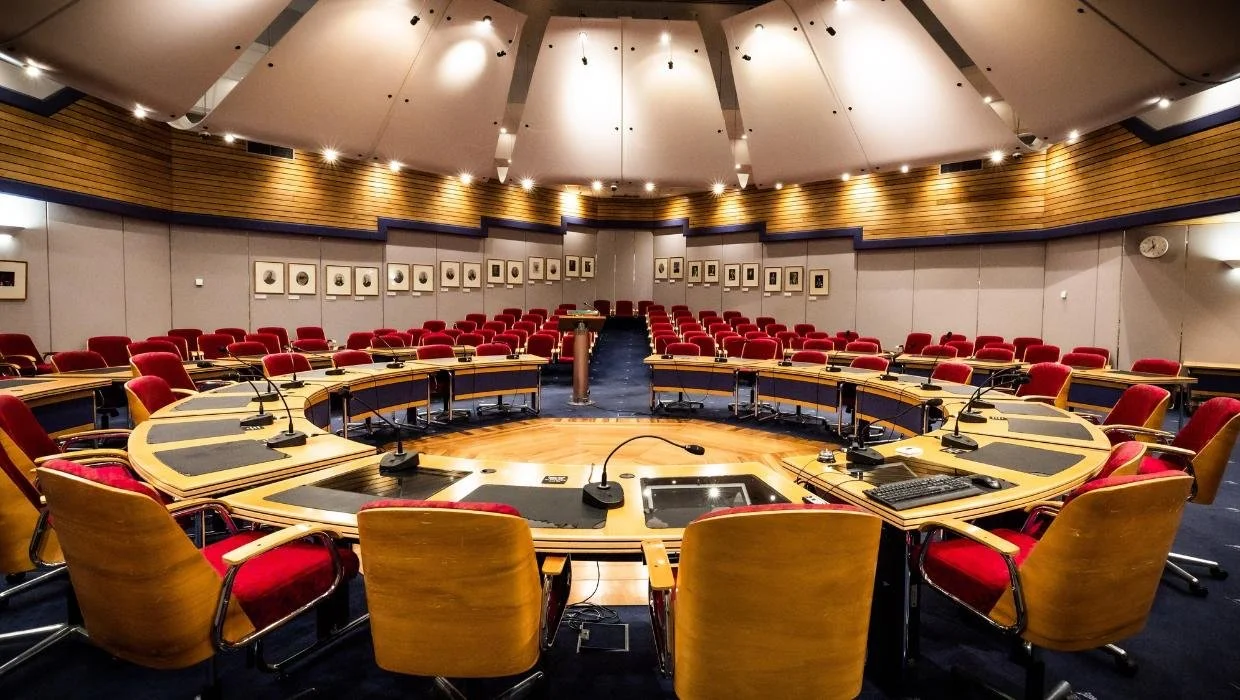
Who gets to sit on the Board?
Because the Council is in it’s conceptual infant stage, we have begun by forming the PEAUTI Society Trust with 10 loyal members who effectively form the foundational representatives.
PEAUTI - Pakeha Equity and Unity Trust Inc.
A non profit ‘Express Shield Trust’ meaning it is not registered with the State Companies Office but operates under all the required Trust legalities that must be followed.
As the movement grows we aim to recruit more members through our promotions and educational seminars eventually devising our own internal delegation & elective processes.
If you are an Auckland resident fed up with the way our Country is going downhill and keen to get involved in facilitating contact today!
pakehamovement@gmail.com
COUNCIL SEATS

CLICK & GO DIRECT TO COUNCIL NEWS PAGE AND ‘LIKE’ FOR MORE!
CLICK IMAGE GO DIRECT TO PAKEHA CHURCH ON FB